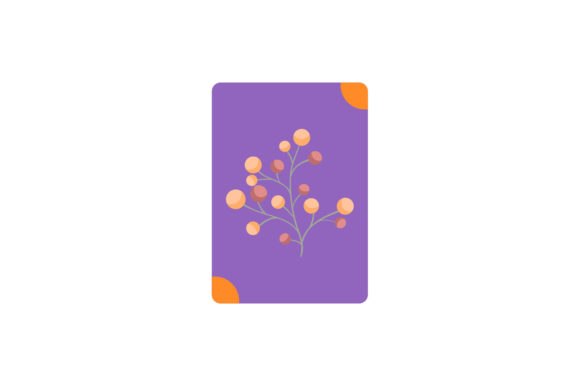
Cute Flowers Illustration Vectors for Embroidery
As a designer who has spent years turning digital files into tangible stitched art, I approach every new asset with a mix of excitement and skepticism. You see a beautiful vector file on a screen, but the real test happens when it hits the hoop. Today, I am evaluating the Cute Flowers Illustration Vectors not just as a graphic, but as a potential workhorse for my embroidery projects. This review is for the small business owners, Etsy sellers, and crafters who need to know if this design will hold up under the needle or if it is destined to sit in a folder.
The First Stitch: Visual Personality and Mood
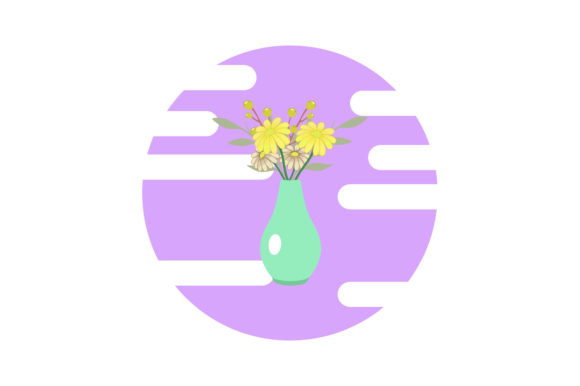
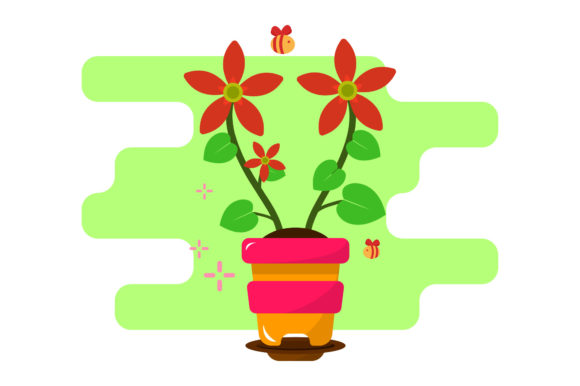
When I first opened the Cute Flowers Illustration Vectors, the immediate feeling was one of warmth and approachability. The illustration style leans heavily into the "cute" aesthetic, which suggests soft curves, friendly shapes, and a lack of aggressive sharp edges. For an embroidery project, this is a crucial observation. Designs that are too intricate or jagged often lose their charm when converted into stitches, but this vector seems designed with simplicity in mind.
The mood is distinctly cheerful, making it perfect for products that need to evoke joy. Whether you are creating a nursery wall hanging, a baby onesie, or a gift for a new mother, the visual personality of these flowers fits naturally. It does not feel like a corporate logo; it feels like a handmade touch. However, the "cute" factor also dictates where this design belongs. It might look out of place on a rugged work jacket or a high-end leather patch, but it shines brightly on soft fabrics and playful items.
Real-World Application: From Screen to Fabric
I recently tested the concept of using Cute Flowers Illustration Vectors for a specific client request: a custom embroidered tote bag for a local bakery. The goal was to create a subtle yet charming branding element that customers would love to carry around. Since the product description highlights that these are openable, editable, and resizable vectors, the workflow began smoothly.
In the digitizing process, I found that the clean lines of the illustration translated well into a combination of satin stitch for outlines and fill stitch for the petals. The result on the canvas tote was excellent. The flowers looked crisp, and the colors popped against the neutral fabric. Because the vector allows for resizing without losing quality, I was able to adjust the scale perfectly to fit the center of the bag without any pixelation issues. This level of clarity is essential for maintaining professional standards in your finished product.
Beyond tote bags, this design has immense potential for other apparel items. Imagine a sweatshirt embroidery piece featuring a cluster of these flowers on the chest pocket area. Or perhaps a set of matching aprons for a cooking class. The versatility extends to baby clothes, where softer motifs are preferred, and even holiday gifts. A simple kitchen towel adorned with these cute flowers could make a delightful hostess gift. The key here is that the design supports the narrative of handmade, personalized goods without overpowering them.
Navigating Challenges: Where Caution is Required
While the Cute Flowers Illustration Vectors are promising, no single design is a magic bullet for every situation. As an experienced reviewer, I must point out specific scenarios where this design requires careful handling. If you plan to use this for a small hoop size, such as on a baseball cap or a narrow cuff, you need to be mindful of the detail density. While the original vector is clean, reducing it too much can cause thread clumping or loss of definition.
Textured fabrics present another challenge. If you are embroidering onto a heavy tweed or a rough burlap, the smooth curves of the flowers might get lost in the weave. Similarly, thin or stretchy fabrics require a robust stabilizer strategy. Without proper support, the tension required to stitch the floral shapes could distort the fabric, ruining the intended look of the illustrations. Dark fabrics also demand attention; you will likely need a higher thread count or a different color palette to ensure the flowers stand out rather than blending into the background.
Furthermore, avoid using this design for products that require frequent industrial washing. While the stitching can be durable, delicate decorative accents or tiny details in the flower centers may fray over time if not reinforced correctly. For commercial embroidery projects involving heavy wear, always test the durability before mass production.
Impact on Brand Value and Customer Trust
For the Etsy seller or boutique owner, the quality of your design assets directly influences customer trust. A sloppy stitch job or a distorted image can signal amateurism, whereas a well-executed embroidery project builds confidence. Using the Cute Flowers Illustration Vectors correctly elevates the perceived value of your handmade product. When a customer sees a clean, vibrant floral motif on a pillow cover or a patch, they associate that quality with your brand's reliability.
The design also enhances giftability. People buy personalized gifts because they want something special. These flowers add a layer of thoughtfulness that generic patterns cannot match. By ensuring the stitch density is appropriate and the thread colors are chosen carefully, you create a finished product that feels premium. This attention to detail is what turns a one-time buyer into a loyal repeat customer.
Practical Designer Notes for Success
Before you commit to running this design through your machine for a client order, there are several steps you must take to ensure success. First and foremost, test the design on scrap fabric. This allows you to gauge how the fill stitch behaves on your specific material and helps you adjust the tension if necessary. Do not skip this step, even if you have used similar designs before.
Review the hoop size requirements relative to your final product dimensions. Ensure that the design fits comfortably within your machine's capabilities without hitting the frame. Inspect the small details closely; sometimes, what looks clear on a monitor can become a tangled mess of thread if the digitization isn't optimized for the specific stitch type. I recommend testing the design in black and white mockups first to check the contrast and composition without the distraction of color.
Always confirm the licensing terms before selling finished items made from these graphics. Even though the file is described as editable, the commercial rights vary by creator. Check whether you are allowed to sell the physical embroidered goods or if the license restricts you to personal use only. Additionally, verify the file formats provided to ensure compatibility with your digitizing software. If the product description does not explicitly state the stitch count or specific machine compatibility, reach out to the seller or consult the documentation to avoid technical hurdles.
Finally, consider the overall aesthetic of your shop. Does this floral theme align with your brand identity? If your store focuses on rustic, vintage items, these cute flowers might feel slightly off-brand unless styled appropriately. But for modern, whimsical, or family-oriented brands, they are a perfect fit. By treating the Cute Flowers Illustration Vectors as a strategic asset rather than just a download, you can create stunning, profitable, and emotionally resonant embroidery projects.