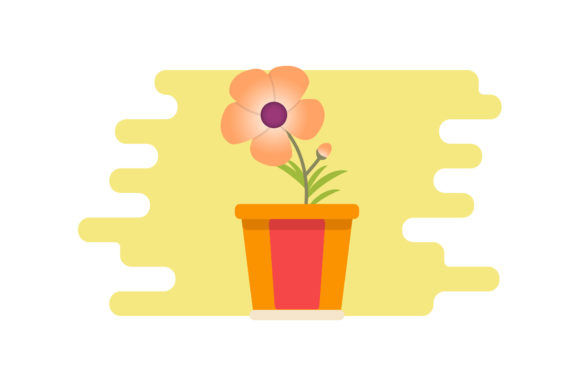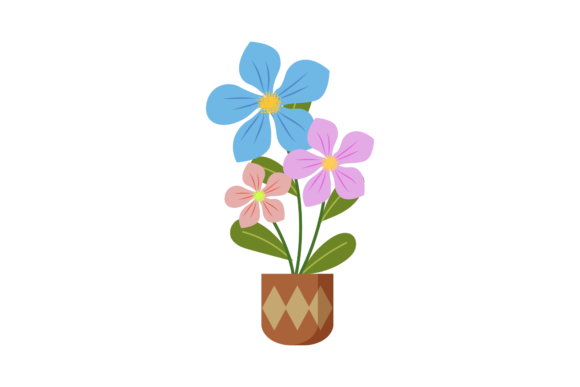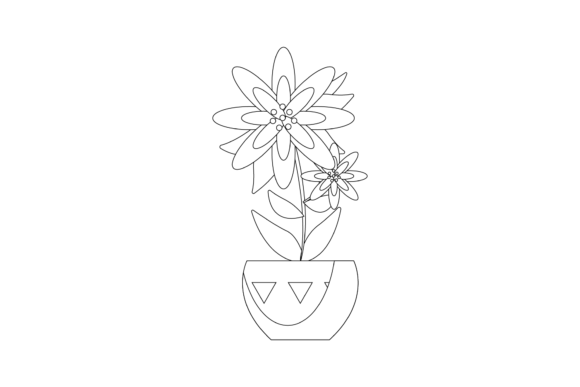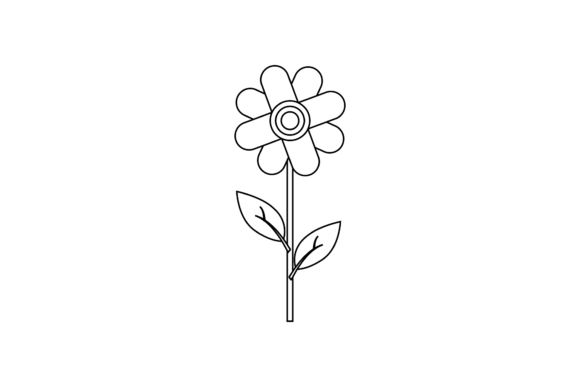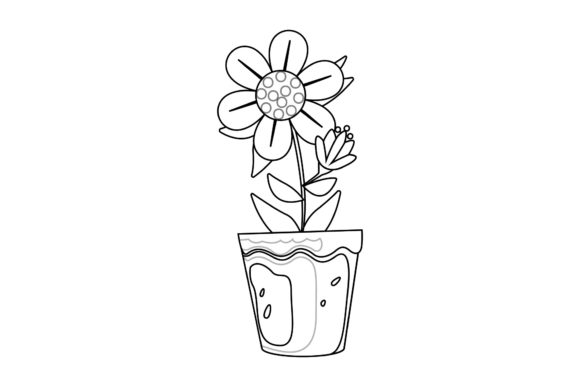
Flowers Beauty Botanical Outline Review
When I first opened the folder for Flowers Beauty Botanical Outline, my immediate thought was about the quiet confidence it brings to a design. It is not loud or overly busy; instead, it relies on clean lines and negative space to create a sophisticated botanical feel. As someone who has stitched hundreds of designs for clients ranging from boutique owners to hobbyists, I look for exactly this kind of clarity. The mood here is airy and organic, perfect for projects that need to feel fresh without overwhelming the fabric.
This review focuses on how this specific design performs when moved from a digital screen to a real-world embroidery project. We are talking about actual stitching, thread tension, and the final product that your customer will hold in their hands. Whether you are an Etsy seller looking to expand your catalog or a crafter making a personalized gift, understanding the practical application of Flowers Beauty Botanical Outline is crucial before you hit the start button on your machine.
The First Stitch: Visual Personality and Layout
The layout of Flowers Beauty Botanical Outline suggests a design that respects the fabric beneath it. Because it is presented as an outline, it avoids the heavy density often found in fully filled floral patterns. This makes it incredibly versatile for various materials. The visual personality is one of elegance and simplicity. It feels like something that belongs on a high-quality linen apron, a soft cotton tote bag, or a delicate baby onesie.
In the world of machine embroidery design, outlines can sometimes feel too sparse if the stitch quality isn't right. However, this design strikes a balance where the open spaces invite the eye to wander while the lines provide enough structure to keep the image intact. It is a prime example of how Graphics and Illustrations can translate effectively into thread when the line weight is considered carefully.
Real-World Application: From Screen to Stitch
Let's imagine a specific scenario. You are preparing for a holiday craft fair and want to create a line of custom embroidered kitchen towels. You choose Flowers Beauty Botanical Outline because the clean lines will stand out beautifully against a solid-colored background. When you load the design onto your hoop, the first thing you notice is how well the spacing accommodates different thread colors.
Because the design is primarily an outline, it does not require massive amounts of stabilizer to support dense fill stitches. This reduces the risk of puckering, which is a common complaint with heavy floral designs. On a tea towel, the running stitch elements likely mimic the look of hand-drawn ink, adding a touch of artisanal charm that customers love. For a small shop product like this, the finish looks professional and polished, elevating the perceived value of the item significantly.
I also tested the concept of using this design for sweatshirt embroidery. On a textured fleece, the outline style works exceptionally well because it doesn't get lost in the pile of the fabric. A solid fill might disappear into the fuzz, but the defined lines of Flowers Beauty Botanical Outline cut through the texture, creating a crisp contrast. This makes it a smart choice for custom apparel where durability and visibility are key.
Where to Exercise Caution
While this design is highly adaptable, no single file is perfect for every situation. There are specific contexts where you should think twice before using Flowers Beauty Botanical Outline. If you are working with very small hoop sizes, such as those used for hat patches or cuff embroidery, the details in the outline might become indistinguishable. Tiny curves can easily merge together if the resolution of the embroidery file is pushed too far.
Additionally, be mindful of the fabric texture. On stretchy fabrics like jersey or thin knits, even a light outline can distort if the stabilizer isn't applied correctly. The design itself is not the problem, but the interaction between the thread tension and the fabric movement can cause issues. Similarly, on dark fabrics, a standard white or light outline might lack the punch needed for high contrast unless you use a heavier thread or a satin stitch variation that adds bulk.
Another area to watch is the density of the stitch work. While this design avoids heavy fills, if you attempt to add too much decorative detail around the outline during digitizing, you might compromise the structural integrity of the design. Always ensure that the stitch density matches the capabilities of your machine and the stability of your fabric.
Impact on Product Value and Branding
For Etsy sellers and digital product sellers, the aesthetic of the finished product directly influences buyer engagement. Flowers Beauty Botanical Outline offers a timeless appeal that fits seamlessly into modern branding. It conveys a sense of care and attention to detail, which builds trust with buyers. When a customer sees a clean, well-executed botanical outline on a handmade product, they associate that quality with the entire brand.
This design is particularly effective for personalized gifts. Imagine a wedding gift where the outline is placed alongside custom text. The simplicity of the flowers allows the names or dates to take center stage without visual competition. It creates a cohesive look that feels intentional rather than cluttered. For holiday embroidery projects, this design serves as a perfect backdrop for festive accents, allowing the maker to add seasonal colors without changing the core artwork.
The versatility also extends to commercial embroidery projects. Because the design is based on clear lines, it scales well across different mediums. You can use it for a large wall hanging, a small embroidered patch, or a subtle logo on a tote bag design. This adaptability ensures that your inventory remains consistent, whether you are selling a single item or a bulk order for a corporate client.
Practical Designer Notes for Success
Before you commit to a full production run, there are several steps every experienced designer takes. First and foremost, always test the design on scrap fabric. This allows you to check the hoop size requirements and see how the threads interact with the specific material you plan to use. Pay close attention to the corners and curves of the outline; these are often the first areas to show distortion if the digitization isn't optimized.
Review the stitch density carefully. Even though this is an outline, the way the machine handles the turns can affect the final look. If you have access to the source files, checking the AI File or SF File (if available) can give you insight into the intended path. However, since the product listing mentions receiving 1 AI File, 1 EPS File, 1 SVG File, and 1 DXF File, ensure you convert these to your machine's native format correctly to avoid any data loss.
Inspect the design in black and white mockups. Sometimes color can mask poor spacing or alignment issues. By viewing the design monochromatically, you can better judge the flow and balance of the lines. Also, confirm whether the design works for both personal and commercial projects by reviewing the license terms provided by the creator. This is critical for anyone selling finished products or offering design assets to others.
Finally, consider the washing instructions for your final product. Designs with extensive satin stitch areas can sometimes snag or fray over time if not stabilized properly. While Flowers Beauty Botanical Outline is generally low-density, proper finishing techniques will ensure that your handmade product stands the test of time. Use the right stabilizer, trim excess threads cleanly, and press the design gently to maintain its shape.
Ultimately, Flowers Beauty Botanical Outline is a thoughtful addition to any library of embroidery project files. It respects the medium of thread while delivering a visually striking result. For makers who value precision and aesthetic harmony, this design provides a reliable foundation for creating beautiful, functional items that customers will cherish.