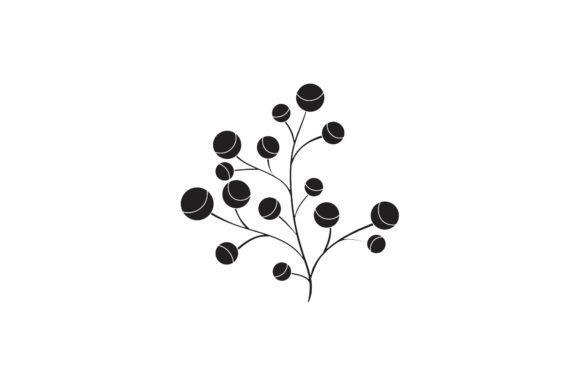
Flowers Cute White Line Style: A Designer's Real-World Review
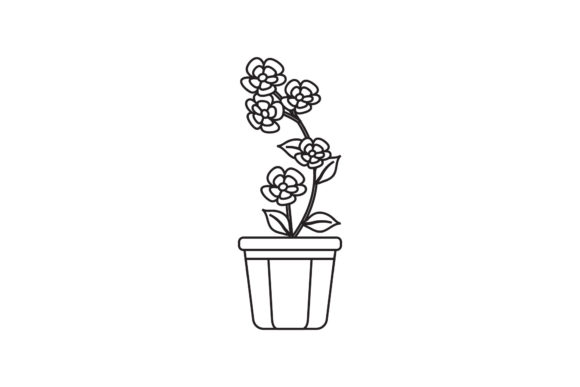
When I first opened the Flowers Cute White Line Style vector file, my immediate reaction wasn't about the technical specs or the file format. It was about the mood. In a sea of dense, colorful floral embroidery patterns that scream for attention, this design takes a quiet, confident breath. The clean white line work creates an airy, modern aesthetic that feels less like a traditional garden and more like a sophisticated architectural sketch brought to life with thread. As someone who has reviewed hundreds of designs for client projects and small business merchandise, I know that "cute" can often mean "childish," but this particular iteration strikes a balance that appeals to adults as much as children.
The visual personality of Flowers Cute White Line Style is defined by its negative space. By relying on outlines rather than heavy fill stitches, the design promises a lighter touch on the fabric. This is a crucial distinction for any designer planning a custom apparel project. When you are working on a high-end boutique product or a personalized gift, the difference between a bulky, stiff patch and a fluid, elegant applique can make or break the perceived value of the item. This design leans heavily into elegance, making it an excellent candidate for items where comfort and drape are just as important as the visual impact.
From Digital Vector to Finished Product
Imagine a scenario where a local boutique owner approaches me with a request for a limited-edition collection of aprons for a spring cooking class series. They want something fresh, not overly busy, and definitely not something that will fray after a few washes. I pulled up Flowers Cute White Line Style on my screen and immediately saw its potential. The open nature of the lines suggests it would look stunning embroidered in a single color—perhaps a soft sage green or a classic navy—against a crisp white canvas.
In this real-life application, the design transforms from a simple graphic into a tactile experience. Because the original is a vector file, resizing it for different products is seamless. Whether the boutique owner wants the flowers centered on the chest of a chef's jacket or repeated down the side of a tea towel, the lines remain crisp. However, the transition from digital vector to machine embroidery requires careful thought. The "white line style" translates best when the thread color contrasts sharply with the background fabric. If the goal is a monochromatic look using white thread on white fabric, the design might disappear entirely unless the stitching technique relies on texture rather than color contrast.
Where This Design Shines in Custom Apparel
This design is versatile enough to cross over into several categories of handmade goods. For the Etsy seller looking to expand their catalog, Flowers Cute White Line Style is a natural fit for baby clothes. The soft, uncluttered lines are gentle on the eyes and perfect for the delicate skin of infants. Imagine a onesie with these flowers embroidered near the neckline; the lack of heavy satin stitch density means there is no scratchy bulk against the baby's neck, which is a major selling point for parents.
Similarly, for the craft fair entrepreneur, this design works beautifully on tote bags. A canvas tote featuring these outlined flowers offers a minimalist chic vibe that stands out among the clutter of bright, saturated prints often found at markets. It elevates the bag from a simple utility item to a fashion accessory. The design also lends itself well to holiday gifts. A set of kitchen towels embroidered with this motif could serve as a thoughtful housewarming present, offering a timeless look that fits any decor style without dating quickly.
For those creating embroidered patches, the clean lines provide a clear boundary for the backing material. When cut out and sewn onto a denim jacket or a cap, the flower shapes define themselves clearly against the rougher texture of the garment. This clarity helps maintain the brand consistency of a small shop, ensuring that every finished product looks professional and intentional.
Practical Considerations and Potential Pitfalls
While the aesthetic appeal is undeniable, a practical review must address where this design might struggle. The most significant challenge lies in the interpretation of the "line style." In embroidery, a line is created either through a running stitch or a narrow satin stitch. If the design is digitized with too thin a satin stitch, it may pucker on stretchy fabrics like t-shirts or sweatshirts. The tension required to hold a tight satin stitch together can distort the fabric, especially if the stabilizer isn't perfectly matched to the material.
I would advise extreme caution when attempting to use Flowers Cute White Line Style on dark fabrics. Unless the thread color is significantly darker than the fabric (like black thread on navy), the white outline effect will be lost. Furthermore, on textured fabrics like heavy linen or boucle, the fine details of the lines might get lost in the weave of the cloth. In these cases, a bolder version of the design or a different stitch type might be necessary.
Another area requiring attention is the hoop size. Because the design relies on fine lines, placing it in a hoop that is too large relative to the design can cause shifting during the stitching process. If the design includes tiny corners or intricate intersections of the flower stems, these areas are prone to thread breaks if the stitch density is too high. A good rule of thumb is to test the design on scrap fabric first to ensure the machine can handle the specific thread path without skipping stitches.
Maximizing Value and Customer Trust
For the commercial embroidery designer, the choice of design directly impacts customer trust. A sloppy execution of a simple line drawing can look amateurish, whereas a precise execution can look incredibly high-end. Flowers Cute White Line Style demands precision. When done right, the finished product exudes a sense of care and quality that customers are willing to pay a premium for. It signals that the maker understands the nuances of thread and fabric.
To achieve this level of quality, attention to thread colors is essential. While the vector file is described as a white line style, the actual embroidery thread should be chosen to complement the final product. Using metallic threads for the outline could add a luxurious touch for wedding gifts or formal wear, while matte cotton threads would suit casual home goods. The key is to ensure that the thread sheen does not clash with the simplicity of the line art.
Before committing to a full production run, always inspect the small details. Zoom in on the digital preview to see how the lines connect. Check whether the design works for both personal and commercial projects by reviewing the license terms provided with the download. Many freebies come with restrictions that prevent resale of the digital file, though they may allow the sale of physical items made from them. Confirming these terms protects your business from legal issues.
Final Thoughts on the Design's Utility
In conclusion, Flowers Cute White Line Style is a valuable asset for any creative entrepreneur looking to add a touch of refined simplicity to their portfolio. It is not a one-size-fits-all solution, but rather a specialized tool that excels in specific contexts. Its strength lies in its ability to convey beauty without overwhelming the viewer, making it ideal for nursery decor, personalized gifts, and boutique branding.
By testing the design on various fabric textures, adjusting the stitch density, and selecting the appropriate stabilizer, designers can unlock the full potential of this vector graphic. Whether you are creating a custom embroidered patch for a client or designing a new line of handmade products for your online store, this design offers a solid foundation for building a professional and appealing brand image. Just remember to respect the limitations of the medium and let the clean lines speak for themselves.