Flowers Illustration Icon Vector: A Designer's Review
When I first opened the Flowers Illustration Icon Vector, my immediate thought wasn't about the file format or the resolution. It was about where this design would actually live in a real-world project. As someone who spends hours testing designs on everything from stiff denim to delicate baby muslin, I know that a beautiful graphic on a screen does not always translate perfectly to thread and fabric. This review is based on how I envision this piece performing in actual embroidery projects, from custom gifts to small business merchandise.
The First Impression: Mood and Visual Personality
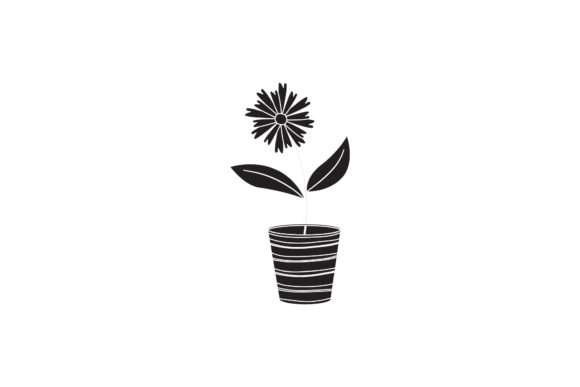
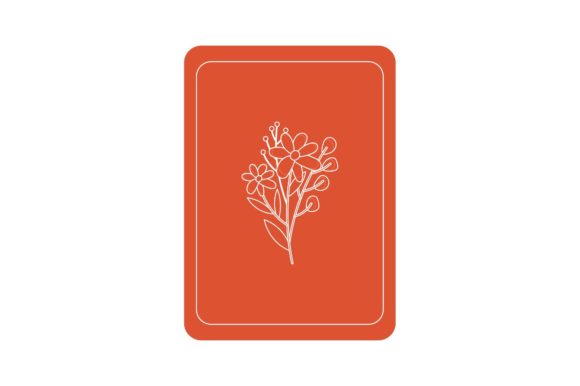
The Flowers Illustration Icon Vector carries a distinct energy. It feels fresh, approachable, and undeniably cheerful. Unlike some floral designs that lean heavily into intricate botanical realism or heavy Victorian styles, this icon has a clean, modern silhouette. The lines are crisp, and the composition suggests a balance between simplicity and charm. For an embroidery designer, this is a crucial starting point because it tells us exactly what kind of stitch work will be required to bring it to life.
The vector nature of the file is a massive plus here. In my experience, raster images often lose their definition when scaled up for larger embroidery areas, but this Flowers Illustration Icon Vector remains openable and editable without losing its integrity. This flexibility allows me to imagine resizing it for a tiny pocket patch or scaling it up for a large tote bag back print. The visual personality fits perfectly with brands that want to appear friendly, organic, and handcrafted. It creates a mood of warmth and creativity that customers respond to positively.
Real-World Application: From Screen to Stitch
To truly understand the value of this design, let's look at a specific scenario. Imagine you are preparing a collection of handmade goods for an upcoming holiday market or launching a new line on Etsy. You have decided to create a series of custom embroidered aprons for home cooks. The goal is to add a subtle yet professional touch that elevates the product without overwhelming the wearer.
This is where the Flowers Illustration Icon Vector shines. Its clean lines make it ideal for a centered chest placement on a linen apron. Because the design is an icon rather than a complex landscape, it avoids the pitfalls of "muddy" stitching that can happen when too many colors or dense details are packed into a small area. When converted into a machine embroidery design, the flower shapes can be rendered beautifully using satin stitches for the petals, giving them a slight sheen that catches the light. The stems could utilize a running stitch to mimic the natural flow of a plant, adding texture and movement.
I also see this design working exceptionally well for personalized gifts. Picture a set of matching baby onesies for a newborn shower. The softness of the floral theme pairs naturally with nursery decor. If I were digitizing this for a commercial batch, I would likely simplify the color palette to two or three threads to ensure the design remains legible on the thin fabric of baby clothes. The result would be a finished product that looks intentional and high-quality, increasing customer trust in your handmade brand.
Where to Use It (and Where to Be Careful)
While the Flowers Illustration Icon Vector is versatile, every designer knows that context is everything. There are specific scenarios where this design might need extra attention or might not be the best fit at all.
- Hoop Size Constraints: If you are working with a very small hoop, such as one used for cufflinks or tiny keychains, the detail level of the flowers needs to be checked. While the vector is resizable, extremely small dimensions can lead to thread breakage or loss of shape if the stitch density is too high. Always test the design at the intended size before committing to a full production run.
- Fabric Texture and Stretch: This design relies on clean lines. On stretchy fabrics like jersey knits used for t-shirts or sweatshirts, the stabilizer choice becomes critical. Without proper backing, the satin stitches can pucker, distorting the perfect geometry of the flower icon. Similarly, on highly textured fabrics like chunky wool or boucle, the fine details of the vector might get lost in the weave of the material.
- Dense Stitch Areas: If the original vector includes tight clusters of petals, converting these to fill stitches can sometimes result in a bulky, stiff finish. For apparel, especially items meant to be worn against the skin like baby garments, you must ensure the stitch density is reduced enough to maintain comfort. A finished product that feels like a board attached to the shirt will rarely sell well.
- Curved Surfaces: Embroidering a flat icon onto a curved surface like a baseball cap requires careful digitizing. The perspective distortion can flatten the flower if not adjusted correctly. However, for a structured patch sewn onto a hat, this design works beautifully as a focal point.
Impact on Product Value and Brand Consistency
In the world of craft businesses and Etsy sellers, presentation is everything. A well-executed embroidery project signals professionalism and care. Using a clean, scalable asset like the Flowers Illustration Icon Vector ensures that your branding remains consistent across different products. Whether you are creating a digital mockup for a listing or producing a physical tea towel, the design maintains its identity.
Customers today are savvy; they can tell the difference between a generic, low-effort stamp and a thoughtful, custom design. When you use a design that translates cleanly into thread, it enhances the perceived value of the item. A simple flower icon on a high-quality canvas tote bag can transform a basic accessory into a boutique-level product. This attention to detail fosters buyer engagement and encourages repeat purchases because the recipient feels they are getting something unique and professionally made.
Practical Notes for the Embroidery Designer
Before you send this Flowers Illustration Icon Vector to your machine, there are several steps I recommend taking to ensure success. First and foremost, always test the design on scrap fabric that matches your final project material. This helps you gauge how the thread colors interact with the fabric texture and whether the stitch density needs adjustment.
Check your stabilizer choices carefully. For lightweight fabrics, a cut-away stabilizer might be necessary to prevent puckering over time, while tear-away may suffice for heavier materials. If you are planning to use this for commercial embroidery projects, confirm the licensing terms immediately. Just because a design is listed under Freebies or Graphics doesn't automatically mean you have the right to sell the finished items, though many do allow it. Verify this before you start your production line.
Also, consider the thread colors. A black outline on a white background might look sharp in a digital preview, but on a dark fabric, you will need to adjust the underlay and thread selection to ensure visibility. Creating a black-and-white mockup of the design can help you visualize the contrast levels without the distraction of color. Finally, inspect the small details closely. Sometimes, vectors contain tiny paths that can cause issues during digitization. Clean up any unnecessary nodes before converting to an embroidery file.
The Flowers Illustration Icon Vector offers a solid foundation for a wide range of creative endeavors. Whether you are making a personalized gift for a friend or building a robust inventory for your small shop, this design provides the flexibility and aesthetic appeal needed to succeed. By approaching it with a practical mindset and testing thoroughly, you can turn a simple digital file into a stunning, tangible masterpiece that stands out in a crowded market.