Flowers with a Pot: A Designer's Real-World Embroidery Review
As someone who has spent years turning digital files into tangible, stitched treasures, I know that the difference between a good project and a great one often comes down to the design itself. When I first encountered Flowers with a Pot, my initial thought wasn't about the vector format or the editable layers; it was about the mood. There is something inherently cozy and welcoming about a potted plant motif. It feels like a breath of fresh air in a room full of complex floral arrangements and heavy script fonts. But does this graphic translate well from a screen to a needle? In this review, I am putting Flowers with a Pot through its paces to see how it performs as a machine embroidery design for real clients and personal projects.
The First Impression: Mood and Visual Personality
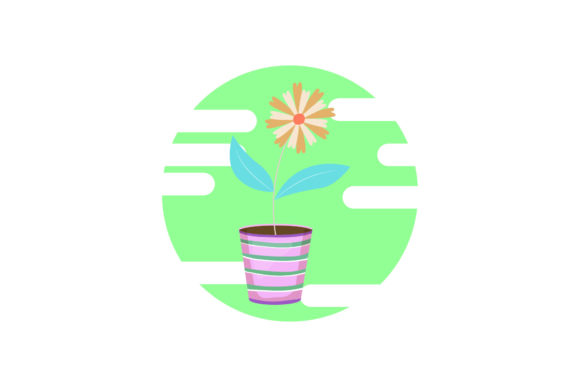
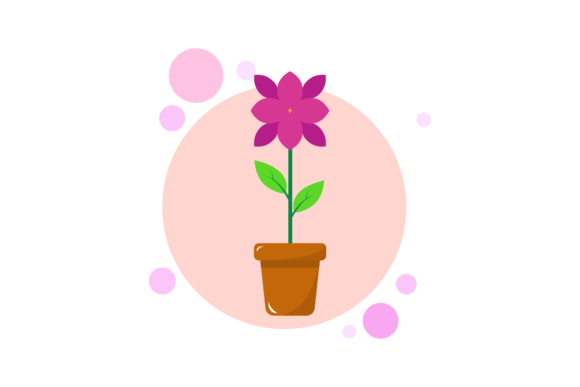
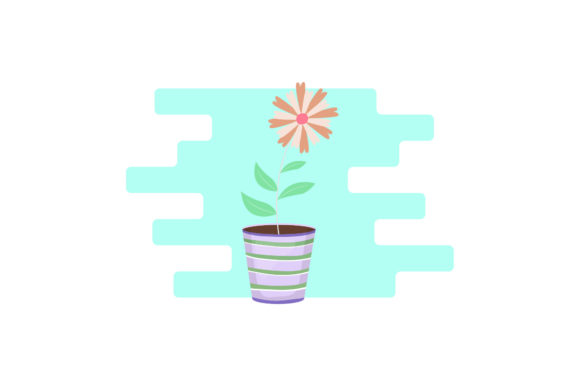
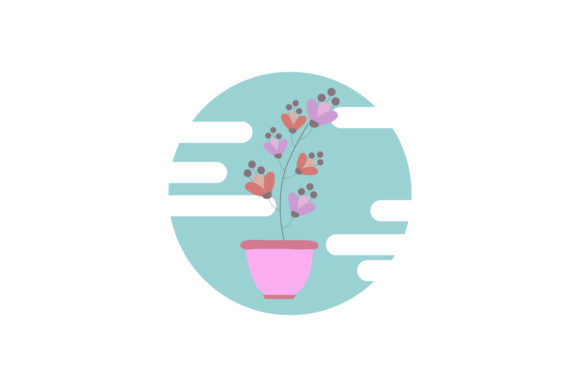
The moment you open the file, the layout speaks to a specific aesthetic: cottagecore, botanical, and homey. Unlike aggressive logos or intricate monograms, Flowers with a Pot exudes a gentle, organic vibe. The shape suggests stability and growth, making it an ideal candidate for items that represent comfort and domesticity. For an embroidery designer, the visual personality is crucial because it dictates where the final product will live. This isn't a design for a high-fashion runway jacket; it belongs on a kitchen towel, a nursery wall hanging, or a tote bag carried to a farmers market.
The vector nature of the source means that resizing is seamless, which is a relief. However, just because a design is resizable doesn't mean every size works for stitching. The detail level here seems balanced enough to hold up without becoming a muddy mess when scaled down, yet robust enough to show texture when expanded. It creates a sense of warmth that customers immediately connect with, suggesting a handmade product that cares about small details.
Real-World Application: From Screen to Stitch
Let's imagine a scenario. You are preparing for a busy holiday season and need to create a line of personalized gifts for your Etsy shop. You decide to feature Flowers with a Pot on custom embroidered aprons and baby onesies. How does it perform?
On a sturdy cotton canvas tote bag, the design would shine. The flat surface allows the stitches to lay perfectly, highlighting the contrast between the pot and the blooms. If you use earth tones for the pot and vibrant greens and pinks for the flowers, the result is a piece that looks professionally finished and ready for gifting. For a sweatshirt, the design adds a touch of whimsy without overwhelming the garment. It sits comfortably on the chest or the back, offering a subtle nod to nature that appeals to craft lovers and gardeners alike.
I also envision this design on a pillow cover or a tea towel. These items benefit from the "illustration" quality of the graphic. When stitched onto a linen napkin, the Flowers with a Pot becomes a focal point of a dining table setting. It elevates a simple household item into a boutique-quality piece. For commercial embroidery projects, this versatility is gold. It fits seamlessly into a collection of home decor, allowing you to cross-sell products effectively. Whether it is a patch for a denim jacket or a decorative accent on a baby blanket, the design holds its own visually.
Where to Exercise Caution
While the potential is high, no design is perfect for every situation. As an experienced reviewer, I must point out where Flowers with a Pot might struggle. Small hoop sizes can be tricky. If you attempt to stitch this on a very small area, like a cap front panel, the curves of the pot and the delicate petals might get lost or crowd each other. Curved surfaces require careful tension adjustments to prevent puckering, especially if the design includes dense fill stitches.
Fabric choice is another critical factor. On stretchy fabrics like jersey knit, you need to ensure you are using the right stabilizer to keep the design from distorting. Thin fabrics may not support the weight of the thread needed for a clear image, leading to a flimsy finish. Additionally, dark fabrics present a challenge; if the design relies on light colors for definition, you may need to add a backing or underlay to make the colors pop. For detailed corners or tiny lettering (if included), always test first. Dense stitch areas on textured fabrics like fleece can sometimes hide the intricacies of the design, making it look less defined than intended.
Impact on Product Value and Brand Consistency
In the world of handmade goods and small business merchandise, the perception of quality drives sales. A well-executed Flowers with a Pot design signals professionalism. It tells the customer that you care about the aesthetics of your work. When a buyer sees a crisp, clean embroidery job on a personalized gift, their trust in your brand increases. They are more likely to leave a positive review and recommend your shop to others.
This design enhances the "handmade" appeal without looking amateurish. It bridges the gap between a simple print and a high-end textile art piece. For Etsy sellers and craft fair vendors, having a design that translates so well into a finished product means you can focus on marketing and customer service rather than fixing technical errors. It supports brand consistency by offering a recognizable, charming motif that can be used across various product lines, from apparel to home goods.
Practical Notes for the Embroidery Designer
Before you rush to stitch this design on your best inventory, there are essential steps to take. First and foremost, test the design on scrap fabric. This is non-negotiable. Check the thread color contrast against your chosen background to ensure visibility. Review the stitch density; if the original vector implies too much density for the thread count you plan to use, you might end up with a stiff, bulky spot on the fabric.
Confirm your hoop size before starting. Ensure the design fits within your machine's capabilities without requiring excessive trimming. Inspect small details closely in your digitizing software or mockup tool. Sometimes, what looks fine on a screen appears jagged when stitched. Test the design in black and white mockups to check the silhouette and balance. Compare how it looks on both light and dark fabric backgrounds to determine the best color palette for your final product.
Always use proper stabilizer to support the fabric during the stitching process. This prevents distortion and ensures the Flowers with a Pot remains true to its original shape. Finally, verify whether the design works for both personal and commercial projects. Confirm licensing terms before selling finished items or digital products derived from this asset. Understanding the legal boundaries protects your small shop and ensures you can sell with confidence.
Final Thoughts on Design Assets
Flowers with a Pot is more than just a graphic; it is a versatile tool for any creative entrepreneur looking to expand their offerings. Its ability to adapt to various formats—from applique design techniques to standard satin stitch and fill stitch applications—makes it a valuable addition to your library. It resonates with buyers who appreciate nature-inspired themes and high-quality craftsmanship.
Whether you are creating a tote bag design for a summer festival, sweatshirt embroidery for a cozy winter collection, or baby embroidery for a new parent, this design offers a reliable foundation. By taking the time to test and refine the execution, you can transform a simple vector into a standout finished product that customers love. For those seeking practical design insight, Flowers with a Pot delivers exactly what is needed: charm, clarity, and commercial viability.